
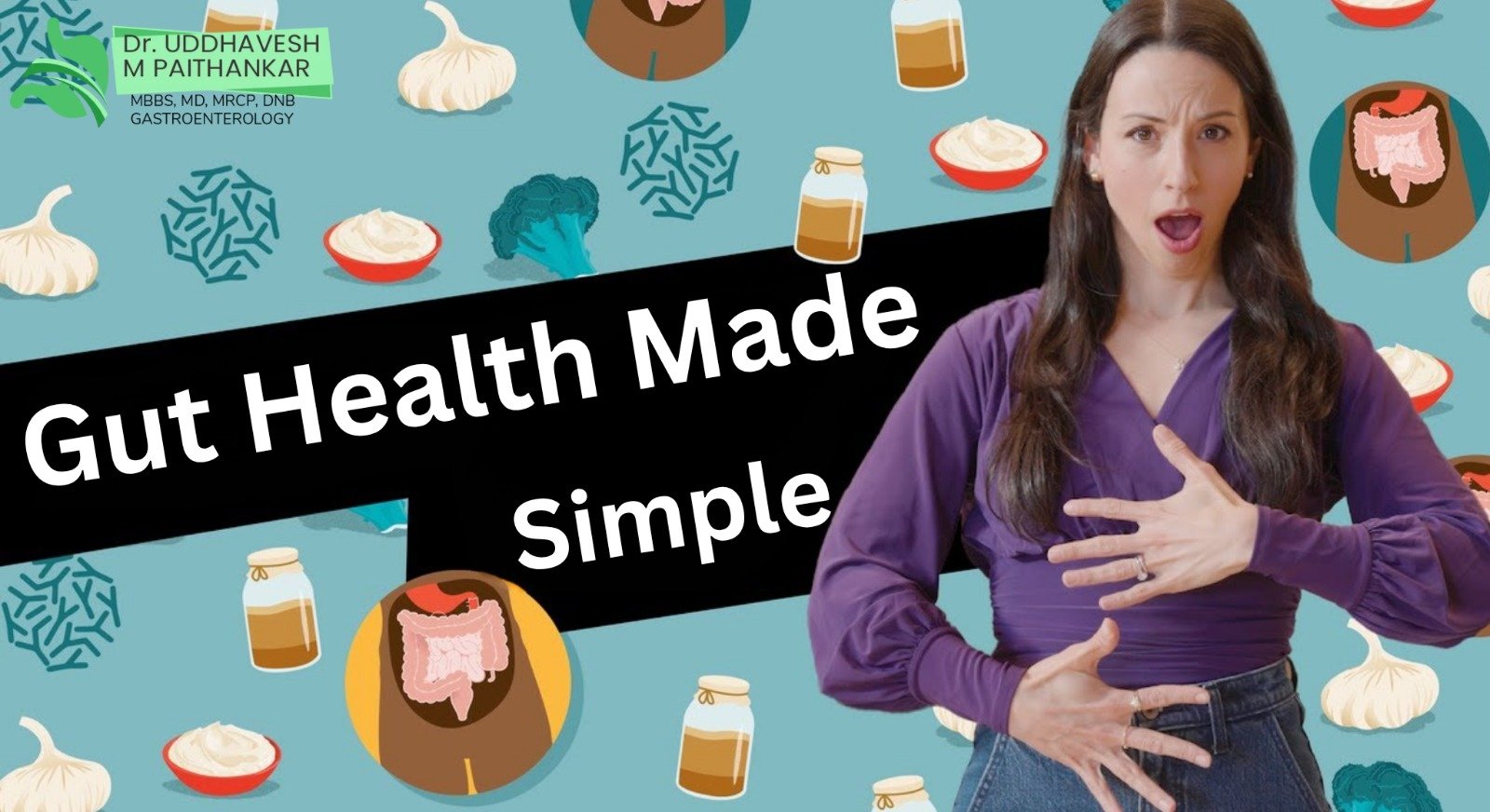
Your gut does much more than break down the food you eat . It helps your body absorb nutrients, supports important body functions, and plays a role in your overall health.
But when you regularly experience bloating, constipation, acidity, indigestion, or changes in bowel habits, everyday life can become uncomfortable.
The good news is that supporting your digestive health does not always require an extreme diet. Small, consistent changes in your eating habits can make a meaningful difference.
If you are looking for gut health diet tips, the goal is not to follow a complicated food plan. It is about giving your digestive system nourishing foods, getting enough fiber and fluids, and developing eating habits that your body can comfortably maintain.
What Does “Gut Health” Actually Mean?
Gut health refers to how well your digestive system functions and how balanced the microorganisms living in your digestive tract are.
Your gut contains trillions of microorganisms, often referred to collectively as the gut microbiome. These microorganisms interact with the food you eat and play a role in digestion and other important body functions.
Think of your gut as an ecosystem. It does not need to be perfect. It benefits from variety, balance, and regular nourishment.
What Are Common Signs of Digestive Problems?
Some common digestive symptoms include:
- Bloating or excessive gas
- Constipation or difficulty passing stools
- Loose or frequent stools
- Recurrent indigestion
- Feeling overly full after meals
- Changes in bowel habits
- Abdominal discomfort
Occasional digestive problems can happen to anyone. However, symptoms that keep returning, become worse, or interfere with your daily life should not be ignored.
They may sometimes be associated with conditions such as irritable bowel syndrome, food intolerance, inflammatory bowel disease, or other digestive problems.
Why Does Your Diet Matter for Gut Health?
Food provides the fuel your body needs to function.
A diet that contains a lot of highly processed foods, added sugars, and very little fibre may not provide your digestive system with the variety of nutrients it needs.
On the other hand, foods such as vegetables, fruits, whole grains, pulses, nuts, and seeds can provide fiber and important nutrients that support normal digestion.
This does not mean you have to completely give up your favourite foods.
Instead of making a long list of foods you are “not allowed” to eat, focus on what you can add to your plate.
1. Increase Fiber Gradually
Fiber can help add bulk to stools and support regular bowel movements. It is an important part of a healthy digestive diet.
Good sources of fibre include:
- Oats
- Whole-wheat foods
- Brown rice
- Fruits
- Vegetables
- Beans and lentils
- Nuts and seeds
However, there is an important point to remember: increase fiber gradually.
If you suddenly add a large amount of fiber to a diet that was previously low in fiber, you may experience more gas, bloating, or abdominal discomfort.
Give your digestive system time to adjust.
2. Drink Enough Water
Adequate fluid intake helps fiber work effectively. It can also help make stools easier to pass.
Instead of waiting until you feel very thirsty, make drinking water a regular part of your daily routine.
Your fluid requirements can vary depending on factors such as your activity level, weather, diet, and overall health.
3. Eat a Variety of Plant Foods
Eating a variety of plant-based foods gives your body different types of fiber and nutrients.
Try rotating the fruits, vegetables, pulses, whole grains, nuts, and seeds you eat rather than relying on the same few foods every day.
For example:
- Breakfast: Oats with fruit
- Lunch: Vegetables, dal, and whole grains
- Dinner: A combination of vegetables and pulses
The aim is not perfection. Even small increases in dietary variety can make your meals more balanced.
4. Include Fermented Foods If They Suit You
Foods such as curd or yogurt containing live cultures can be part of a balanced diet for many people.
However, fermented foods are not a cure-all for digestive problems. Everyone’s digestive system is different.
If a particular food repeatedly causes bloating, discomfort, or loose stools, do not force yourself to eat it. Instead, discuss the pattern with a healthcare professional.
5. Cut Back on Highly Processed Foods
You do not necessarily need to eliminate processed foods from your diet completely.
However, if most of your meals and snacks consist of packaged foods, sugary drinks, refined carbohydrates, and heavily processed options, try replacing some of them with whole or minimally processed foods.
For example, you could choose:
- Fruit instead of a sugary snack
- Whole grains instead of refined grains more often
- Nuts instead of highly processed snacks
- Water instead of sugary drinks
Small swaps are often easier to maintain than strict diets.
How Can You Improve Gut Health Naturally?
A healthy digestive routine is built around habits that you can realistically follow over time.
Some simple gut health diet tips and lifestyle habits include:
- Eat meals at reasonably regular times
- Add vegetables or fruit to your meals
- Choose whole grains more often
- Include pulses, beans, or lentils when possible
- Drink enough fluids
- Eat slowly and chew your food properly
- Stay physically active
- Avoid overeating
- Notice which foods appear to trigger symptoms
- Seek medical advice when symptoms persist
Remember, gut health is not about detox drinks, crash diets, or eliminating large numbers of foods without a reason. Your digestive system already has natural processes for handling food and waste.
Gut Health and Your Daily Routine
Diet is important, but it is only one part of digestive health.
Regular physical activity can support normal bowel function. Sleep and stress management can also matter because the digestive system and nervous system communicate with each other.
This is one reason two people can eat similar foods but experience very different digestive symptoms.
If you frequently experience bloating, constipation, diarrhoea, or abdominal discomfort, keeping a simple food-and-symptom diary may help you identify patterns.
You can then discuss these observations with your doctor.
When Should You See a Doctor for Digestive Problems?
Persistent or unexplained digestive symptoms deserve medical attention, particularly when they are affecting your daily life.
You should seek medical advice if you experience symptoms such as:
- Blood in the stool
- Unexplained weight loss
- Persistent vomiting
- Severe or worsening abdominal pain
- Difficulty swallowing
- Significant changes in bowel habits
- Recurrent diarrhea
- Significant or unexplained anemia
- Digestive symptoms that repeatedly wake you during the night
These symptoms do not automatically mean that something serious is wrong. However, they should be properly evaluated rather than ignored.
Meet the Expert at Dr. Uddhavesh Paithankar
At Dr. Uddhavesh Paithankar, digestive health concerns can be discussed in a clinical setting with a focus on understanding the symptoms and their possible causes.
Doctor. Uddhavesh Paithankar
The focus should be on understanding why a patient is experiencing symptoms rather than treating one symptom in isolation.
Whether the concern involves recurring indigestion, constipation, bloating, changes in bowel habits, or another digestive issue, an appropriate evaluation can help determine whether dietary and lifestyle changes may be sufficient or whether further assessment is needed.
A Simple Gut Health Roadmap
| Step | What to Focus On | Simple Action |
| Step 1 | Fiber | Add fruits, vegetables, whole grains, and pulses gradually. |
| Step 2 | Hydration | Drink fluids regularly throughout the day |
| Step 3 | Food Variety | Rotate different plant-based foods. |
| Step 4 | Eating Habits | Eat slowly and avoid overeating. |
| Step 5 | Activity | Include regular physical movement. |
| Step 6 | Symptoms | Track recurring food-related symptoms. |
| Step 7 | Medical Care | Get persistent or concerning symptoms evaluated. |
The goal is not to change everything at once.
Start with one or two manageable habits and gradually build from there.
Frequently Asked Questions About Gut Health
What foods are best for gut health?
Fruits, vegetables, whole grains, pulses, nuts, and seeds are good sources of fiber and nutrients that can support a healthy digestive diet.
Try to eat a variety of these foods rather than relying on one particular “superfood.”
How can I improve my gut health naturally?
You can support your gut health by eating a varied, fiber-rich diet, drinking enough water, staying physically active, maintaining regular eating habits, and paying attention to foods that may trigger symptoms.
If digestive symptoms continue despite lifestyle changes, speak with a doctor.
Is curd good for gut health?
Curd containing live cultures can be part of a balanced diet for many people. However, individual tolerance varies.
If you repeatedly notice bloating, discomfort, or other symptoms after consuming dairy products, discuss this with a healthcare professional.
Why am I bloated after eating healthy foods?
Even healthy foods can cause bloating in some people.
For example, beans, certain vegetables, and other high-fiber foods may cause gas, particularly when fiber intake is increased suddenly.
Increasing fiber gradually may help your digestive system adjust.
How much fiber should I eat for better digestion?
For adults, around 25 to 30 grams of fibre per day is a commonly used general target, although individual needs can vary.
If your current fiber intake is low, increase it gradually, and make sure you are getting enough fluids.
When should I see a doctor for stomach or bowel problems?
You should consider seeing a doctor when digestive symptoms are persistent, keep returning, become worse, or interfere with your daily life.
Symptoms such as blood in the stool, unexplained weight loss, severe abdominal pain, persistent vomiting, or significant changes in bowel habits require proper medical evaluation.
A consultation can help determine whether the symptoms may be related to diet and lifestyle or whether further testing is needed.
Next Steps: Visit Dr. Uddhavesh Paithankar
If digestive symptoms are becoming a regular part of your day, you do not have to keep guessing which food might be causing them.
A consultation can help you discuss your symptoms, eating habits, and lifestyle. Based on your individual situation, your doctor can determine whether dietary and lifestyle changes may be appropriate or whether further medical evaluation is needed.
Call Now: 094796 92613
Clinic Address
Dr. Uddhavesh Paithankar
Unit No. 394, Metro Station IFFCO Chowk, Ground Floor, near IFFCO Chowk, Sector 29, Gurugram, Haryana 122022