Have you been feeling unusually tired lately, experiencing discomfort on the right side of your abdomen, or noticing unexplained changes in your digestion? Sometimes, these symptoms are easy to blame on a busy lifestyle, irregular eating habits or lack of sleep. But they may also be signs that your liver needs attention.
Fatty liver disease is becoming an increasingly important health concern, particularly among people with diabetes, obesity, high cholesterol and sedentary lifestyles. The tricky part is that it often develops silently, without noticeable symptoms during its early stages.
If you are searching for fatty liver symptoms in Gurgaon, understanding the early warning signs can help you take timely action. At Dr. Paithankar’s Clinic, we encourage patients to pay attention to their metabolic health and seek medical guidance rather than waiting for symptoms to become serious.
Let’s understand what fatty liver disease is, which symptoms you should watch for, and when you should consult a doctor.
What Is Fatty Liver Disease?
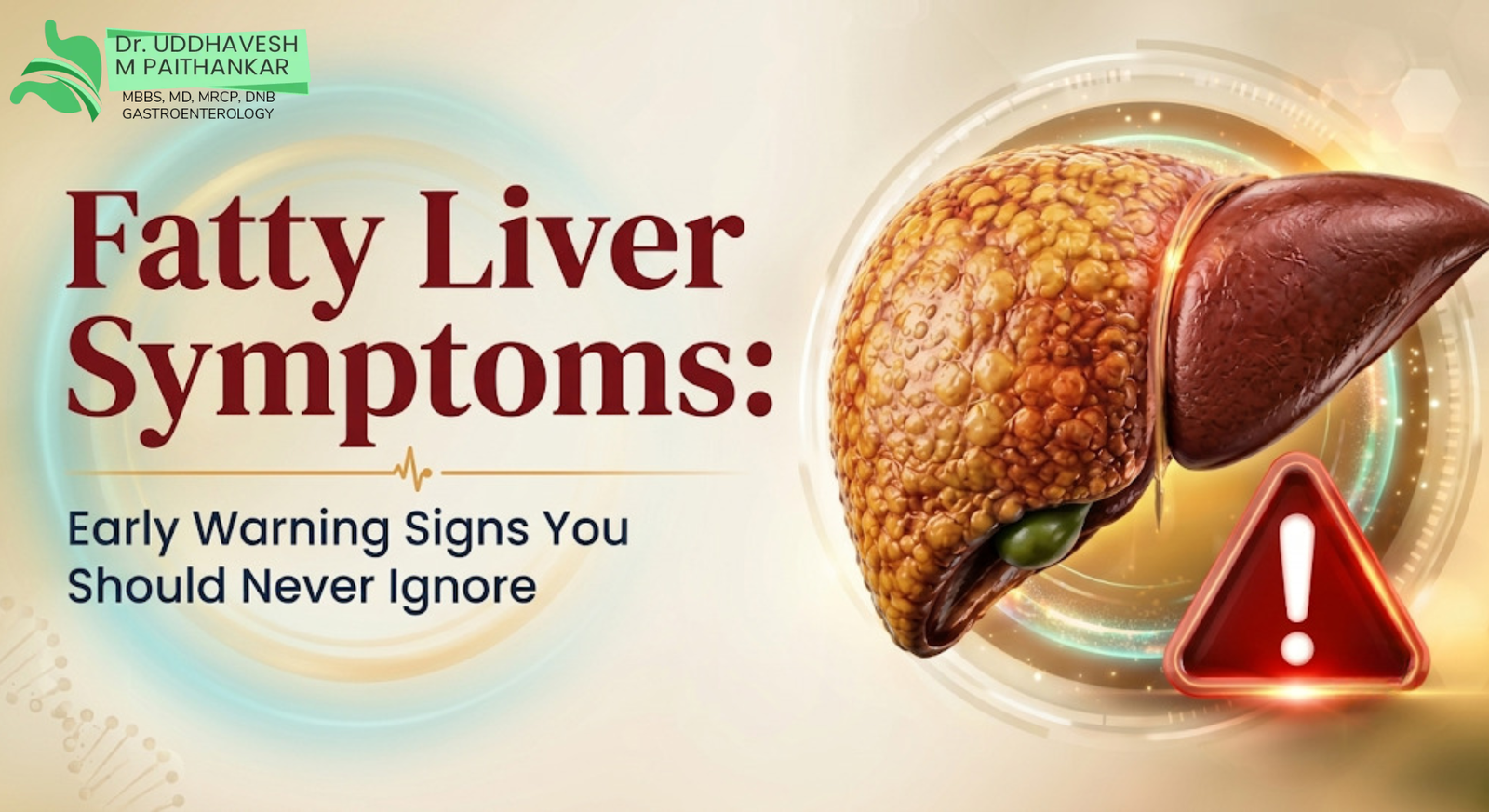
Fatty liver disease is a condition in which excess fat accumulates inside the liver cells. A small amount of fat in the liver can be normal, but excessive accumulation may affect how effectively this important organ functions.
The liver works like your body’s processing centre. It helps digest food, stores energy, filters harmful substances and produces essential proteins. When too much fat builds up, inflammation and liver damage may develop in some people.
The condition associated with metabolic risk factors is now commonly called Metabolic Dysfunction-Associated Steatotic Liver Disease (MASLD), previously known as non-alcoholic fatty liver disease (NAFLD).
When the condition progresses to inflammation and liver cell injury, it is called Metabolic Dysfunction-Associated Steatohepatitis (MASH).
According to the National Institutes of Health, MASLD is frequently a silent condition, meaning many people have little or no noticeable symptoms.
7 Fatty Liver Symptoms You Should Never Ignore
Recognising possible fatty liver symptoms early can help you seek appropriate medical evaluation.
However, remember that these symptoms are not exclusive to fatty liver disease. Other health conditions can cause similar problems.
1. Constant Tiredness and Fatigue
Do you feel exhausted even after getting enough sleep?
Persistent tiredness or low energy can sometimes occur in people with fatty liver disease. You may notice that everyday activities feel more tiring than usual.
Although fatigue has many possible causes, unexplained tiredness should not always be ignored, particularly if you have diabetes, excess weight or abnormal cholesterol levels.
2. Discomfort on the Upper Right Side of Your Abdomen
Your liver is located in the upper-right part of your abdomen, just beneath your ribs.
When the liver becomes enlarged, some people experience:
- Mild discomfort below the right ribs.
- A feeling of pressure in the upper abdomen.
- Occasional dull abdominal pain.
- Fullness or heaviness around the liver area.
Persistent abdominal discomfort deserves medical assessment because it can have several possible causes.
3. Unexplained Weight Gain Around the Waist
Fat accumulation around your abdomen can be associated with insulin resistance and metabolic dysfunction.
Insulin resistance means your body does not respond effectively to insulin, the hormone that helps regulate blood sugar.
This can increase the risk of fatty liver disease, particularly when combined with type 2 diabetes and high triglycerides.
4. Abdominal Swelling
Noticeable abdominal swelling should never be dismissed as ordinary weight gain.
In advanced liver disease, fluid can accumulate inside the abdomen. This condition is called ascites.
Not everyone with fatty liver develops abdominal swelling. It is generally a concerning sign that requires prompt medical evaluation.
5. Loss of Appetite and Digestive Discomfort
Some people with liver disease experience changes in appetite, nausea or a general feeling of being unwell.
These symptoms are not specific to fatty liver, but persistent digestive complaints should be discussed with a healthcare professional.
6. Yellowing of the Eyes and Skin
Yellowing of the skin or the whites of your eyes is called jaundice.
It occurs when bilirubin, a yellow substance produced during the breakdown of red blood cells, builds up in the body.
Jaundice is not a typical early symptom of simple fatty liver. It may indicate significant liver or other medical problems and requires urgent medical assessment.
7. Swelling in the Legs and Ankles
Swelling in the lower legs and ankles can sometimes occur when advanced liver disease affects fluid balance and protein production.
If you experience persistent swelling, especially alongside abdominal swelling or jaundice, seek medical attention promptly.
Why Does Fatty Liver Develop?
Fatty liver disease is commonly associated with metabolic health problems, although it can also have other causes.
Some important risk factors include:
- Obesity: Excess body fat can increase fat accumulation in the liver.
- Type 2 diabetes: Poor blood sugar regulation and insulin resistance increase the risk.
- High cholesterol: Abnormal blood fat levels, particularly high triglycerides, are associated with fatty liver.
- Sedentary lifestyle: Limited physical activity can contribute to metabolic problems.
- Unhealthy eating habits: Frequent sugary drinks, excess calories and highly processed foods may increase risk.
- Alcohol consumption: Alcohol can independently cause liver fat accumulation and liver damage.
Interestingly, fatty liver can also occur in people who do not appear overweight. This is why your overall metabolic health matters more than appearance alone.
How Is Fatty Liver Disease Diagnosed?
Fatty liver cannot be reliably diagnosed through symptoms alone. A proper medical assessment helps identify fat accumulation and determine whether liver damage is present.
Your doctor may recommend the following investigations:
- Liver Function Test (LFT): Measures liver enzymes such as ALT and AST, which may become elevated when liver cells are damaged.
- Abdominal Ultrasound: Helps identify excess fat accumulation in the liver.
- Blood Sugar and HbA1c Tests: Assess diabetes and blood glucose control.
- Lipid Profile: Checks cholesterol and triglyceride levels.
- Fibrosis Assessment: Tests such as FIB-4 or liver stiffness measurement may help assess the possibility of liver scarring.
Not every patient needs every test. Your doctor will recommend investigations based on your medical history, risk factors and examination.
How to Manage and Treat Fatty Liver Naturally?
The good news is that fatty liver, particularly in its early stages, can often improve with consistent lifestyle changes.
Here are some practical steps worth starting.
1. Focus on a Balanced Diet
Choose home-cooked meals containing vegetables, fruits, whole grains, pulses and adequate protein.
Try to reduce:
- Sugary beverages and packaged juices.
- Deep-fried foods.
- Excess sweets and refined carbohydrates.
- Highly processed snacks.
You do not need an extreme diet. Sustainable eating habits are more useful than short-term restrictions.
2. Exercise Regularly
Aim for at least 150 minutes of moderate-intensity physical activity each week, if medically appropriate.
Walking, cycling, swimming and strength training can improve insulin sensitivity and metabolic health.
Even a regular 30-minute walk can be a useful starting point.
3. Maintain a Healthy Weight
For people who are overweight, gradual and sustained weight reduction can reduce liver fat and may improve inflammation.
Avoid crash diets or extreme fasting plans without medical guidance.
4. Control Diabetes and Cholesterol
Managing blood sugar, blood pressure and cholesterol is an important part of fatty liver care.
Follow your prescribed treatment and attend recommended follow-up appointments.
5. Avoid Alcohol and Unverified Supplements
Discuss alcohol consumption and all medicines or supplements with your doctor. Some herbal products and supplements can cause liver injury.
Never start a so-called liver detox product without professional advice.
Meet Your Healthcare Expert at Dr. Paithankar’s Clinic
When it comes to liver health, the right guidance starts with understanding your individual health risks.
Dr. Paithankar’s Clinic provides a healthcare setting where patients can discuss their health concerns, understand recommended investigations and receive appropriate medical guidance.
The approach to patient care should focus on understanding the underlying health concern, explaining medical findings in simple language and helping patients make informed decisions about their treatment and lifestyle.
If you are experiencing persistent symptoms or have been diagnosed with fatty liver, consider arranging a medical consultation.
What Does Your Fatty Liver Treatment Journey Look Like?
Managing fatty liver is not about finding an overnight solution. It involves understanding the condition, identifying associated risks and following a practical long-term plan.
| Step | What Happens |
| Step 1: Consultation | Discuss symptoms, medical history and lifestyle |
| Step 2: Assessment | Review weight, blood sugar and metabolic risk factors |
| Step 3: Investigations | Consider LFT, ultrasound and other necessary tests |
| Step 4: Treatment Plan | Develop an individualised lifestyle and medical management plan |
| Step 5: Follow-Up | Monitor progress and repeat investigations when appropriate |
Your treatment timeline depends on the severity of the condition, associated health problems and response to lifestyle changes.
Frequently Asked Questions About Fatty Liver Symptoms
1. What are the first warning signs of fatty liver?
Fatty liver often causes no noticeable symptoms during its early stages. Some people experience fatigue, general weakness or discomfort in the upper-right abdomen, while others discover it during routine blood tests or an ultrasound.
2. Can fatty liver be cured completely?
Early-stage fatty liver can often improve significantly with appropriate lifestyle changes. Weight management, regular exercise, balanced nutrition and control of diabetes and cholesterol can help reduce liver fat.
3. Is fatty liver dangerous if left untreated?
Fatty liver can become serious in some people if inflammation and liver damage develop over time. Advanced disease may lead to fibrosis, cirrhosis and other complications, although not everyone experiences progression.
4. Can a person have fatty liver without any symptoms?
Yes, most people with fatty liver disease have few or no symptoms. This is why medical assessment and appropriate testing are important for people with metabolic risk factors.
5. Which test is best for detecting fatty liver?
An abdominal ultrasound can help identify fat accumulation in the liver. Blood tests and fibrosis assessments may also be needed to evaluate liver health and possible damage.
6. Can walking help reduce fatty liver?
Yes, regular physical activity such as brisk walking can improve metabolic health and help reduce liver fat. Combining exercise with balanced nutrition and appropriate weight management can provide additional benefits.
Next Steps: Take Care of Your Liver Health
Your liver performs hundreds of essential functions every day, often without giving you any obvious warning when something is wrong.
If you have persistent fatigue, unexplained abdominal discomfort, diabetes, high cholesterol or other risk factors for fatty liver, consider getting a medical evaluation.
At Dr. Paithankar’s Clinic, Gurugram, you can discuss your concerns and understand the next steps for appropriate medical care.
Clinic Name: Dr. Paithankar’s Clinic
Address: Unit No. 394, Ground Floor, Near IFFCO Chowk Metro Station, Sector 29, Gurugram, Haryana – 122009, India.
Call: 094796 92613