
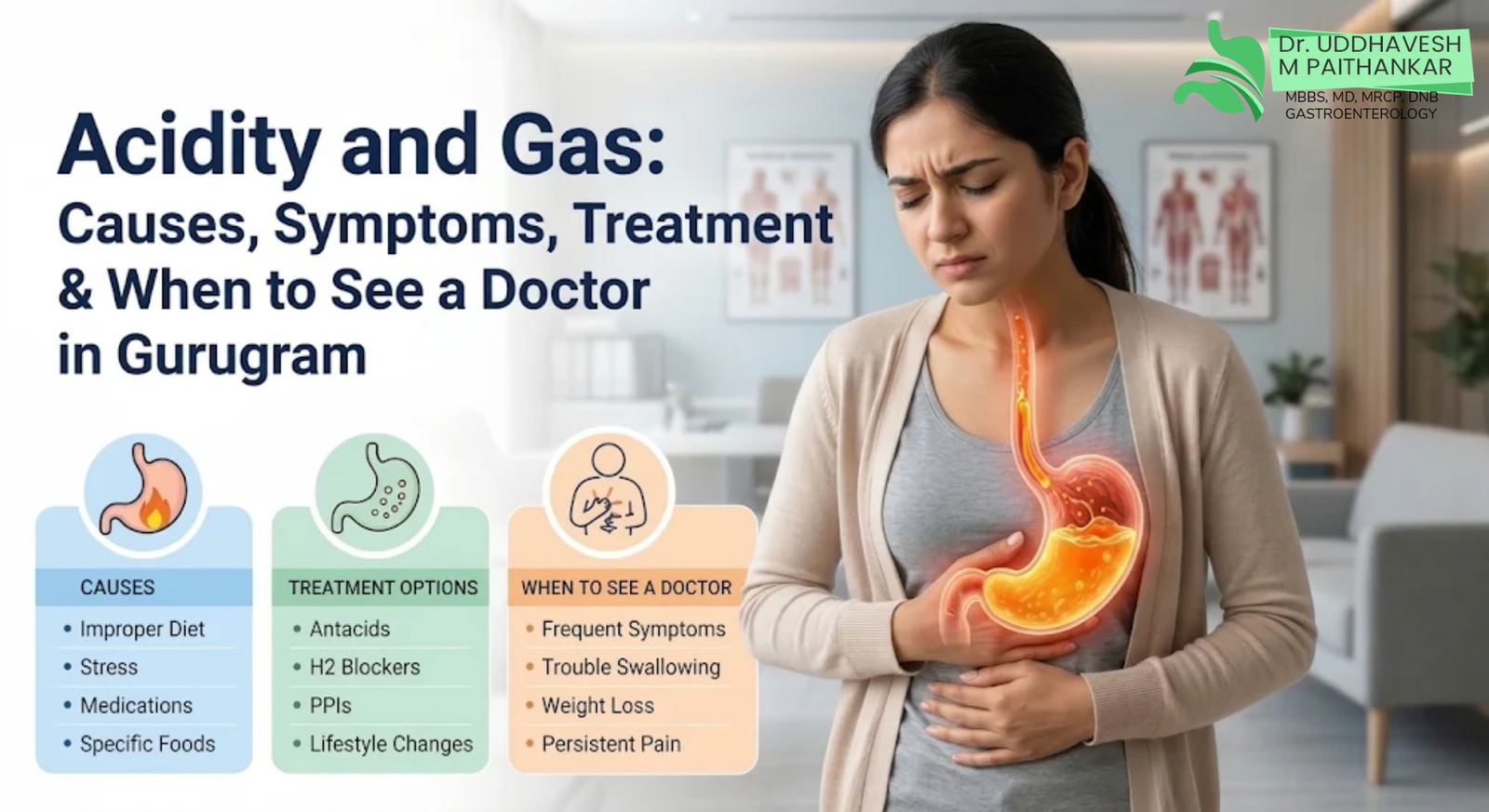
Have you ever finished a meal and suddenly felt a burning sensation in your chest? Does your stomach feel heavy and bloated, or do you find yourself burping frequently? Perhaps you experience an unpleasant taste in your mouth or excessive gas that makes it difficult to focus on your daily activities.
You are not alone. Acidity, gas, and indigestion are common digestive problems that can affect people of all ages. They may occur due to unhealthy eating habits, stress, irregular meal timings, or certain underlying medical conditions. While occasional digestive discomfort may settle on its own, recurring symptoms should not be ignored.
Understanding the causes of acidity and gas, knowing the available treatment options, and recognising when to seek medical advice can help you maintain better digestive health.
At Dr. Paithankars Clinic in Sector 29, Gurugram, patients can seek medical guidance for digestive discomfort and related health concerns.
What Are Acidity and Gas?
Acidity and gas are common digestive issues that can occur separately or together.
Acidity generally refers to acid reflux, a condition in which stomach acid flows back into the oesophagus (food pipe), causing a burning sensation in the chest or throat.
Gas develops when excess air enters the digestive system or when gut bacteria break down certain carbohydrates during digestion. This can result in bloating, abdominal discomfort, frequent burping, and excessive flatulence.
Think of your digestive system as a carefully balanced process. When digestion is disturbed or stomach acid flows in the wrong direction, discomfort can develop.
What Is the Difference Between Acidity, Gas, and Indigestion?
Although these conditions can produce similar symptoms, they are not the same.
- Acidity: A burning sensation in the chest or upper abdomen caused by acid reflux.
- Gas: A buildup of air or digestive gas that causes bloating, burping, and abdominal pressure.
- Indigestion (Dyspepsia): A feeling of fullness, discomfort, or pain in the upper abdomen, particularly after eating.
Identifying the type of digestive problem is important because each condition may require a different treatment approach.
Common Causes of Acidity and Gas
There is rarely just one reason behind digestive discomfort. Eating habits, lifestyle choices, certain medications, and underlying health conditions can all contribute to acidity and gas.
Here are some common causes:
1. Eating Spicy and Oily Foods
Indian meals often include spices, fried snacks, rich curries, and high-fat dishes. Although these foods can be enjoyable, they may trigger acidity or indigestion in some individuals.
High-fat meals can also worsen acid reflux by slowing stomach emptying and affecting the lower oesophageal sphincter.
2. Irregular Eating Habits
Skipping meals, eating large portions after long gaps, or having dinner immediately before bedtime can contribute to digestive discomfort.
Eating too quickly may also cause you to swallow excess air, resulting in frequent burping and bloating.
3. Excessive Tea and Coffee Consumption
Tea, coffee, and other caffeinated beverages may trigger acid reflux in some people.
You do not necessarily need to stop consuming them completely. However, reducing your intake may help if you notice that these beverages regularly trigger your symptoms.
4. Stress and Anxiety
Your brain and digestive system are closely connected. Stress and anxiety can affect gut movement and increase sensitivity to digestive discomfort.
This is why some people experience bloating, stomach pain, or indigestion during stressful periods.
5. Certain Medical Conditions
Persistent acidity and gas may sometimes be associated with underlying digestive conditions, including:
- Gastroesophageal reflux disease (GERD)
- Gastritis (inflammation of the stomach lining)
- Peptic ulcers
- Irritable bowel syndrome (IBS)
- Lactose intolerance
- Chronic constipation
- Helicobacter pylori (H. pylori) infection
Identifying the underlying cause is important when digestive symptoms keep returning.
What Are the Common Symptoms of Acidity and Gas?
Symptoms can vary from person to person. Some individuals experience occasional discomfort, while others may struggle with recurring digestive problems.
Common symptoms include:
- Burning sensation in the chest (heartburn)
- Frequent burping or belching
- Abdominal bloating or swelling
- Sour or bitter taste in the mouth
- Feeling full too quickly after eating
- Pain or discomfort in the upper abdomen
- Excessive passing of gas
- Nausea or occasional vomiting
- Symptoms that worsen after meals or while lying down
When should you be concerned? Occasional gas is normal. However, if symptoms occur frequently, become painful, or interfere with your daily routine, it is important to consult a doctor.
How to Get Relief from Acidity and Gas Naturally
Small changes in your everyday routine can make a meaningful difference in managing digestive discomfort.
1. Eat Smaller and More Frequent Meals
Instead of consuming two or three very large meals, consider eating smaller portions at regular intervals. Avoid overeating, particularly during dinner.
2. Identify Your Food Triggers
Maintaining a food diary can help you identify which foods are responsible for your symptoms.
Common triggers may include:
- Fried and oily foods
- Carbonated beverages
- Strong coffee or tea
- High-fat meals
- Milk and dairy products (if you are lactose intolerant)
- Certain vegetables and beans that produce excess gas
Remember that food triggers vary from person to person.
3. Avoid Lying Down Immediately After Eating
Give your stomach enough time to digest food. If you experience acid reflux, avoid lying down for at least three hours after meals.
4. Stay Physically Active
A gentle walk after meals may help digestion and reduce feelings of heaviness.
Regular physical activity can also support healthy weight management, which may help reduce acid reflux symptoms.
5. Drink Enough Water
Stay hydrated throughout the day. Choose water and other non-carbonated beverages instead of fizzy drinks if they trigger your symptoms.
6. Manage Stress
Practising yoga, meditation, deep breathing, or other relaxation techniques may help manage stress-related digestive discomfort.
Maintaining a regular sleep schedule can also support overall digestive health.
What Is the Medical Treatment for Acidity and Gas?
If lifestyle changes do not provide sufficient relief, a doctor can evaluate your symptoms and recommend appropriate treatment.
Treatment depends on the underlying cause rather than simply suppressing the symptoms.
Common medical treatment options include:
1. Antacids
Antacids neutralise existing stomach acid and may provide temporary relief from heartburn and acidity.
2. Acid-Reducing Medicines
H2 blockers and proton pump inhibitors (PPIs) reduce stomach acid production. These medicines are commonly prescribed for certain acid-related digestive conditions.
3. Gas-Relief Medicines
Certain medicines, such as simethicone, may help relieve gas-related bloating and discomfort, depending on the individual’s condition.
4. Treatment for Underlying Conditions
If symptoms are associated with H. pylori infection, ulcers, constipation, or another digestive condition, specific treatment may be necessary.
Important: Avoid taking acidity medicines regularly without medical advice. The appropriate medicine, dosage, and duration depend on your medical history and symptoms.
When Should You See a Doctor for Acidity and Gas?
Occasional acidity may not indicate a serious health problem. However, persistent digestive discomfort should never be ignored.
Consider consulting a doctor if:
- You experience frequent or recurring heartburn.
- Symptoms continue despite lifestyle changes.
- You have persistent bloating or abdominal pain.
- You frequently experience nausea or vomiting.
- You have difficulty swallowing food.
- Your appetite decreases significantly.
- You experience unexplained weight loss.
- Digestive problems interfere with your everyday activities.
Seek emergency medical attention if you experience severe or persistent abdominal pain, vomit blood, or notice black or bloody stools.
Chest pain should also be taken seriously. If it occurs with breathlessness, sweating, dizziness, or pain spreading to your arm or jaw, seek emergency medical help because it could indicate a heart-related problem.
How Are Acidity and Gas Diagnosed?
Diagnosing acidity and gas usually begins with understanding your symptoms, eating habits, medical history, and current medications.
Depending on your condition, a doctor may recommend the following assessments:
1. Medical History
The doctor asks when your symptoms started, how frequently they occur, and whether certain foods, activities, or medications make them worse.
2. Physical Examination
A physical examination may help identify abdominal tenderness, swelling, or other signs of discomfort.
3. Blood or Stool Tests
These tests may be recommended if an infection, inflammation, or another underlying digestive problem is suspected.
4. H. pylori Testing
Specific tests may be performed to check for Helicobacter pylori infection, which can contribute to gastritis and peptic ulcers.
5. Upper GI Endoscopy
An upper gastrointestinal endoscopy allows the doctor to examine the oesophagus, stomach, and the first part of the small intestine using a thin, flexible tube with a camera.
Not everyone needs all these investigations. The doctor recommends tests based on individual symptoms and clinical findings.
Meet Your Healthcare Team at Dr. Paithankars Clinic
Digestive problems can affect your eating habits, sleep, work, and overall well-being. Getting the right medical advice is an important first step towards understanding what is happening inside your body.
At Dr. Paithankars Clinic, Sector 29, Gurugram, patients can discuss their digestive health concerns and receive medical guidance based on their symptoms and medical history.
The clinic focuses on understanding individual concerns, evaluating possible causes, and recommending an appropriate care plan.
Understanding Your Treatment Journey
Managing acidity and gas involves more than simply taking a medicine. An effective treatment approach focuses on identifying triggers, evaluating symptoms, and addressing the underlying cause.
| Treatment Step | What Happens |
| Step 1 | Discussion of symptoms and medical history |
| Step 2 | Physical examination and clinical assessment |
| Step 3 | Recommended investigations, if required |
| Step 4 | Personalised medication and lifestyle guidance |
| Step 5 | Follow-up to assess symptom improvement |
Following medical advice and making appropriate lifestyle changes can help improve digestive comfort and overall well-being.
Frequently Asked Questions About Acidity and Gas
1. Why Do I Experience Acidity and Gas Every Day?
Daily acidity and gas may result from irregular eating habits, acid reflux, food intolerance, constipation, or underlying digestive conditions. If symptoms occur frequently, consult a doctor to identify the cause.
2. What Is the Fastest Way to Get Relief from Acidity?
Avoiding trigger foods, eating smaller meals, and staying upright after eating may help reduce acidity. Antacids can provide temporary relief for some people. However, frequent acidity requires medical evaluation.
3. Can Stress Cause Acidity and Gas?
Yes. Stress can affect digestive movement and increase sensitivity to abdominal discomfort. Relaxation techniques, regular exercise, and adequate sleep may help manage stress-related symptoms.
4. Which Foods Should I Avoid If I Have Acidity and Gas?
You may need to limit fried foods, high-fat meals, carbonated drinks, excessive caffeine, and foods that trigger your symptoms. Food sensitivities differ between individuals, so identifying your personal triggers is important.
5. Is Acidity a Sign of GERD?
Frequent acid reflux may indicate gastroesophageal reflux disease (GERD), particularly when symptoms occur regularly or interfere with everyday life. A doctor can evaluate your symptoms and recommend suitable treatment.
6. When Should I Visit a Doctor for Stomach Gas and Bloating?
Consult a doctor if gas and bloating occur frequently, become painful, or suddenly change. Persistent constipation, diarrhoea, or unexplained weight loss also requires medical evaluation. Severe abdominal pain or blood in vomit or stools requires urgent medical attention.
Book a Consultation at Dr. Paithankars Clinic in Gurugram
Do not let acidity, gas, or bloating interfere with your everyday activities. Understanding the cause of your digestive discomfort can help you receive appropriate treatment and improve your quality of life.
If you are experiencing recurring acidity, excessive gas, bloating, or indigestion, consult the healthcare team at Dr. Paithankars Clinic, Sector 29, Gurugram.
Address: Dr. Paithankars Clinic
Unit No. 394, Ground Floor, Near IFFCO Chowk Metro Station,
Sector 29, Gurugram, Haryana – 122009.
Call: +91 94796 92613