
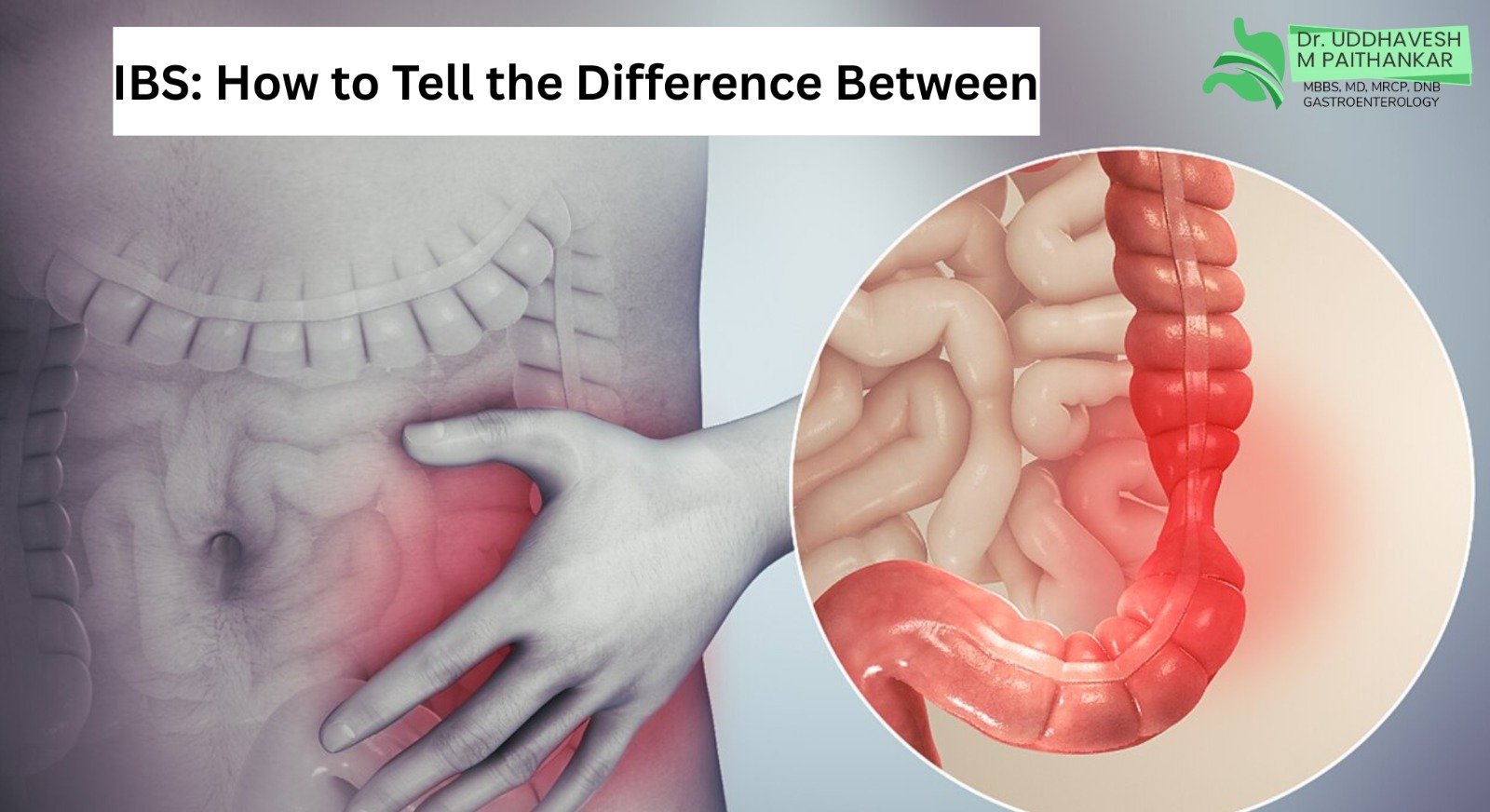
You have probably had days when your stomach feels really full, your clothes feel tight, or you keep passing gas and wonder, “Is this normal? Is something wrong with my stomach?”
Gas is a part of digestion. Everyone passes gas. The tricky part is that gas and IBS can cause some of the same symptoms, like bloating, stomach discomfort, and changes in bowel habits.
So how can you tell the difference? The biggest clue is the pattern of your symptoms, especially if stomach pain keeps happening alongside changes in your bowel movements.
If bloating, constipation, diarrhea, or stomach pain has become a part of your life, Dr. Paithankar’s Speciality Clinic near IFFCO Chowk Metro Station, Gurugram, can help you understand what may be behind your symptoms.
What Is Normal Stomach Gas?
Normal digestive gas is air and other gases that move through your digestive tract and leave your body through burping or passing gas. Some gas is expected, especially after meals.
You swallow air when you eat and drink, and bacteria in your intestine produce gas while breaking down carbohydrates that were not fully digested earlier. Certain foods, drinks, and chewing gum can increase the amount of gas you notice.
Interestingly, passing gas does not automatically mean you have a disorder. People may pass gas around 8 to 14 times a day on average, with up to about 25 times a day considered normal.
What Does Normal Gas Usually Feel Like?
- A feeling of fullness
- Burping after eating or drinking
- Passing wind
- Temporary stomach discomfort
- Symptoms that come and go
- Symptoms that may improve after passing gas or having a bowel movement
The important point is that gas by itself is not IBS. IBS is a condition that affects your stomach and bowel movements.
What Is Irritable Bowel Syndrome?
IBS is a long-term disorder of gut-brain interaction that typically involves recurring stomach pain with changes in bowel habits. Those changes may mean constipation, diarrhea, or alternating between the two.
Think of your digestive system as a communication network. Your brain and stomach are constantly sending messages to each other about movement, sensations, and digestion.
With IBS, that communication can become unusually sensitive or disrupted, so normal digestive activity may feel more uncomfortable.
IBS can also cause:
- Bloating
- Excessive sensitivity to gas
- A feeling that you have not completely emptied your bowel
Why Does IBS Cause Gas and Bloating?
IBS can make the stomach more sensitive to amounts of gas and can also affect how gas and stool move through the intestines.
This means someone with IBS may experience discomfort when the actual amount of gas is not unusually high.
That is one reason simply taking a “gas medicine” may not solve the problem if IBS is the underlying issue.
Gas vs. IBS: What Is the Difference?
The easiest way to think about it is this: ordinary gas is mainly about gas-related symptoms, while IBS is a recurring pattern involving stomach pain and bowel changes.
Normal Gas Is More Likely When:
- You mainly notice burping, flatulence, or temporary bloating.
- Symptoms happen after certain foods or drinks.
- You eat quickly or swallow a lot of air.
- Symptoms settle after passing gas or having a bowel movement.
- You do not have a pattern of stomach pain and altered bowel movements.
IBS Is More Likely When:
- Stomach pain keeps coming back.
- Pain is related to passing stool.
- Your bowel movement frequency changes.
- Your stool becomes harder, looser, or changes in appearance.
- Bloating occurs repeatedly.
- You experience constipation, diarrhea, or both over time.
According to the Rome IV criteria used in practice, IBS involves stomach pain on average at least once a week during the previous three months, associated with at least two features such as a relationship to defecation or changes in stool frequency or appearance.
That does not mean you should diagnose yourself from a checklist. A doctor considers your history and may need to rule out other conditions first.
How to Know If Your “Gas” Could Actually Be IBS
Ask yourself some simple questions:
- What is the main symptom? Is it mostly gas and bloating, or is stomach pain a feature?
- Does your pain change after a bowel movement?
- Has your stool pattern changed?
- Do you frequently alternate between constipation and diarrhea?
- How long has this been happening?
- Does it interfere with work, sleep, meals, travel, or social life?
Keeping a food and symptom diary can also be surprisingly useful.
Write down what you ate, when symptoms started, your bowel movement pattern, and whether passing stool or gas changed the discomfort. Doctors may use this information when evaluating gas and bloating.
What Can Trigger Gas or IBS Symptoms?
There is no single trigger that affects everyone.
Common Gas Triggers Include:
- Drinking quickly
- Fizzy or carbonated drinks
- Chewing gum
- Certain carbohydrates
- Large meals
- Some high-fibre foods
For IBS, triggers can be broader. Food sensitivities, stress, infections, changes in gut movement, and increased gut sensitivity may all contribute to different people.
How Can Diet Help IBS Symptoms?
Diet changes may reduce IBS symptoms, but the right approach depends on the individual.
Some people benefit from increasing fibre, while others may benefit from a professionally guided low-FODMAP approach.
One important tip: do not suddenly load your diet with large amounts of fibre because you have heard it is “good for digestion.” Increasing fibre too quickly can actually increase gas and bloating.
When Should You See a Gastroenterologist?
Frequent gas becomes worth discussing with a doctor when it bothers you, suddenly changes, or occurs alongside stomach pain, constipation, diarrhea, or unexplained weight loss.
You should also seek evaluation if you notice warning signs such as:
- Blood in the stool
- Black or tarry stools
- Unexplained weight loss
- Anaemia
- Persistent vomiting
- Significant symptoms that are getting worse
These features can point to conditions other than IBS and should not simply be blamed on “gas.”
A gastroenterologist may review your symptoms, diet, medications, medical history, and family history. Depending on what they find, blood tests, stool tests, breath testing, imaging, endoscopy, colonoscopy, or other investigations may sometimes be appropriate.
Meet the Expert: Dr. Uddhavesh M. Paithankar
Dr. Uddhavesh M. Paithankar is a gastroenterologist who specializes in liver-related conditions. His listed qualifications include MBBS, MD in General Medicine, and DNB in Gastroenterology, and his profile also lists MRCP from the Royal College of Physicians, London.
His areas of expertise include:
- Endoscopy
- Colonoscopy
- ERCP
- Endoscopic ultrasound
At Dr. Paithankar’s Speciality Clinic, the focus is on evaluating symptoms and helping patients understand what may be causing them, rather than simply labelling every episode of bloating or stomach discomfort as “gas.”
His professional profile describes a treatment philosophy centred on humility and compassion, an approach that can make it easier to discuss symptoms that many people find embarrassing or difficult to explain.
The Fix: What Your Evaluation May Look Like
There is no one-size-fits-all “IBS treatment.” The right plan depends on your symptoms, bowel pattern, triggers, medical history, and whether another condition needs to be ruled out.
| Step | What Happens |
| 1. Understand your symptoms | Your doctor reviews pain, bloating, gas, stool changes, diet, and symptom duration. |
| 2. Look for patterns | Food triggers, bowel movements, medications, and lifestyle factors are considered. |
| 3. Rule out causes | Tests may be recommended when your history or symptoms suggest another condition. |
| 4. Create a plan | Diet, lifestyle changes, medicines, or other treatments may be considered. |
| 5. Follow up | Your response to treatment helps refine the plan over time. |
The goal is simple: find out whether you are dealing with gas, IBS, or another digestive problem—and then treat the cause of your digestive problem.
Frequently Asked Questions
How Do I Know If I Have IBS or Just Gas?
Recurring pain combined with changes in bowel habits is more suggestive of IBS than gas alone. Sometimes you may burp, feel bloated, or pass wind without this recurring pattern, which is commonly associated with normal digestive gas.
Can Gas Cause Stomach Pain?
Yes, trapped or increased gas can cause discomfort or pain. If you have repeated pain, especially when it is connected to bowel movements or changes in stool, you should get it checked for IBS and other digestive conditions.
Does IBS Cause Gas?
Yes, IBS can cause gas-related symptoms and increased sensitivity to amounts of gas. This is why some people with IBS feel extremely bloated when they do not necessarily produce a large amount of gas.
Can Constipation Cause Gas and Bloating?
Yes, constipation can contribute to gas symptoms and bloating. When you do not have bowel movements often or they are difficult, digestive contents move differently through the intestine, which can make fullness and discomfort more noticeable.
This is something that happens to a lot of people.
Is IBS Curable?
IBS is generally considered a condition that is managed rather than permanently cured. The symptoms of IBS can go away, and many people can significantly improve their quality of life with a combination of diet, lifestyle changes, and appropriate treatment.
IBS is a condition that needs to be managed.
When Should I See a Doctor for Bloating and Gas?
You should see a doctor when gas or bloating is bothersome, sudden, or occurs with pain, constipation, diarrhoea, or weight loss.
You should get it checked if you have bleeding, black stools, unexplained weight loss, anaemia, or other concerning symptoms. These symptoms are not normal and should be evaluated by a doctor.
Next Steps: Get Your Digestive Symptoms Checked
If you have been saying everything is “gas” for months but are also dealing with recurring pain, constipation, diarrhoea, or significant bloating, it may be time to look a little deeper into your digestive problem.
Your digestive problem is not something you should ignore.
Visit Dr. Paithankar’s Speciality Clinic
Address :Unit Number 394, Ground Floor, Near IFFCO Chowk Metro Station, Sector 29, Gurugram, Haryana
Phone: +91 92115 81666