
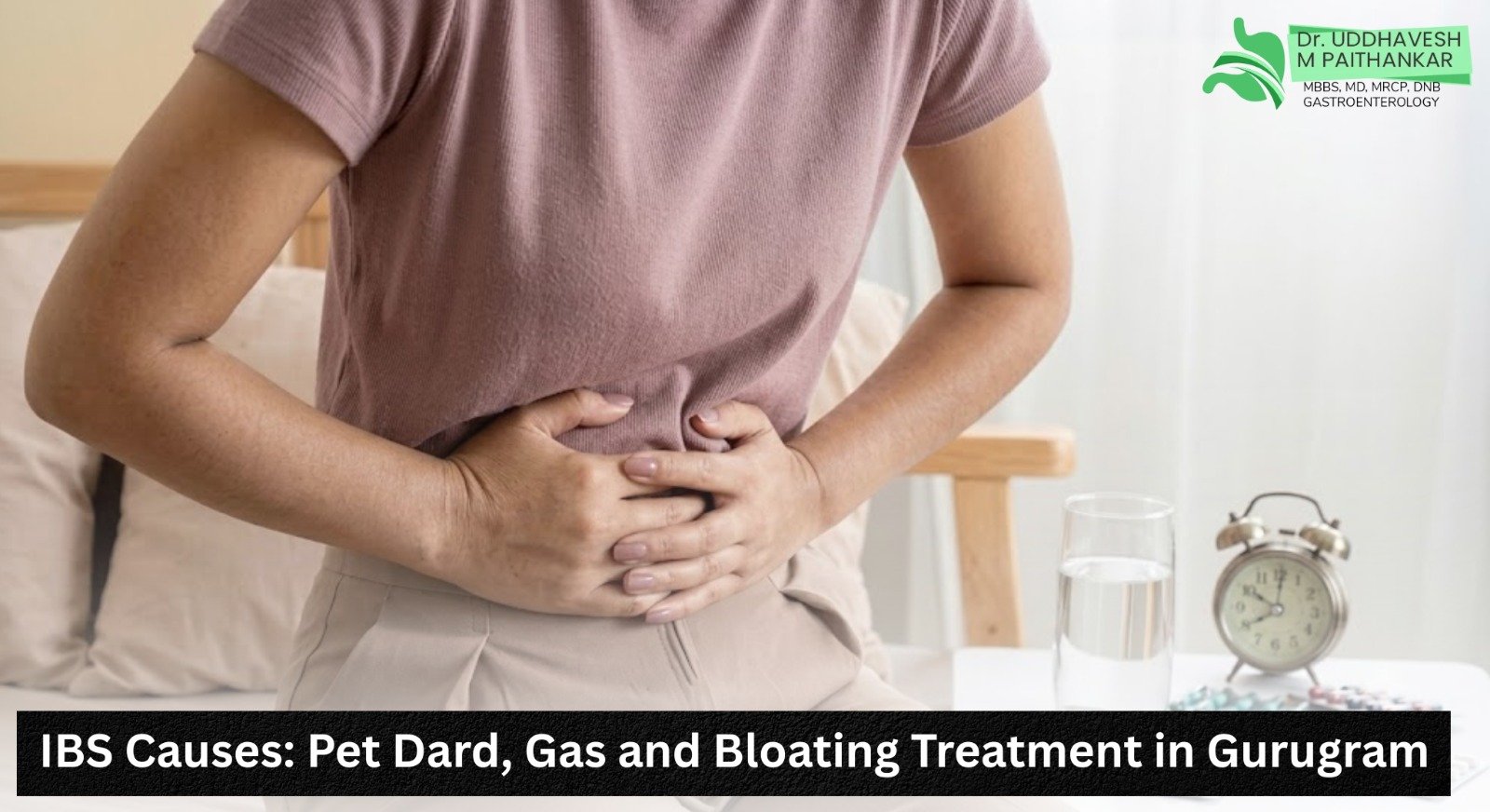
If your stomach often feels swollen and uncomfortable, or you regularly experience pet dard, gas, bloating, constipation, or loose motions, you may start wondering what is causing these symptoms. Occasional digestive discomfort is common, but when the same problems keep coming back, everyday life can become frustrating.
One common reason behind these symptoms is Irritable Bowel Syndrome (IBS). IBS is a condition that affects how the bowel functions. The good news is that IBS symptoms can usually be managed with a combination of dietary changes, lifestyle adjustments, stress management, and medical treatment when required.
If you are looking for an IBS specialist or gastroenterologist in Gurugram, understanding the symptoms, causes, and available treatment options can be a helpful first step.
What Is IBS?
Irritable Bowel Syndrome, commonly called IBS, is a digestive condition that can cause abdominal pain, bloating, gas, constipation, diarrhea, or changes in bowel habits.
Think of your digestive system like a road where food, fluids, nerves, muscles, and gut bacteria all need to work together smoothly. With IBS, the bowel may become more sensitive, or bowel movements may become irregular.
IBS does not usually mean that the intestine has been permanently damaged. However, the symptoms can feel very real and may affect your work, sleep, travel, eating habits, and social activities.
Common IBS Symptoms
IBS symptoms can vary from one person to another. Some people mainly experience constipation, while others may have frequent loose motions. Some people experience both constipation and diarrhea at different times.
Common IBS symptoms include:
- Pet dard or abdominal cramps
- Gas and bloating
- Constipation or difficulty passing stool
- Loose motions or frequent bowel movements
- A feeling that the bowel has not completely emptied
- Changes in stool consistency
- Mucus in the stool in some people
- Abdominal discomfort that improves or worsens after passing stool
If these symptoms occur repeatedly, especially when they start affecting your daily routine, discussing them with a gastroenterologist can help identify the possible cause.
Why Does IBS Happen?
IBS does not have one single cause. It can develop because of a combination of factors involving gut sensitivity, bowel movement changes, food triggers, stress, and changes in the gut environment.
The digestive system also has a close connection with the brain. This is commonly known as the gut-brain connection. Because of this connection, stress, anxiety, poor sleep, and emotional strain can sometimes make digestive symptoms worse.
Other possible factors associated with IBS symptoms include:
- Certain foods or eating patterns
- Previous stomach or intestinal infections
- Changes in gut bacteria
- Food intolerances in some individuals
- Hormonal changes
- Stress and poor sleep
- Increased sensitivity of the digestive tract
This does not mean that IBS symptoms are “in your head.” The discomfort is real. Stress can simply affect how strongly the brain and bowel communicate with each other.
IBS, Gas and Bloating: Why Does My Stomach Feel Swollen?
Gas and bloating can occur when the digestive system produces or retains more gas, or when the bowel becomes more sensitive to normal amounts of gas.
You may notice bloating after meals, particularly after large meals or foods that your digestive system does not tolerate well.
Eating quickly, swallowing air, drinking carbonated beverages, and consuming certain carbohydrate-rich foods can also contribute to gas and bloating.
A food and symptom diary can be useful for identifying patterns. You may notice that bloating or pet dard repeatedly appears after particular foods or during periods of increased stress.
How to Manage IBS Symptoms?
IBS treatment focuses on controlling symptoms and identifying individual triggers rather than using exactly the same treatment for everyone.
1. Make Practical Food Changes
There is no single IBS diet that works for everyone. Food triggers can vary significantly from person to person.
A doctor or dietitian may recommend reducing specific trigger foods based on your symptoms. For some patients, a low-FODMAP diet may be considered under professional guidance. FODMAPs are certain short-chain carbohydrates that can be difficult for some people to digest.
Avoid unnecessarily eliminating large food groups without guidance. Your diet should still provide adequate fibre, protein, vitamins, minerals, and other important nutrients.
2. Eat Regular Meals
Skipping meals or eating very large meals may worsen bloating and abdominal discomfort for some people.
Try to eat at regular times, chew your food slowly, and avoid rushing through meals. Simple changes in eating habits can make a difference for some people with IBS.
3. Pay Attention to Fibre
Fibre can help some people with IBS, particularly when constipation is a major symptom. However, increasing fibre too quickly may worsen gas and bloating.
Soluble fibre is often better tolerated than large amounts of insoluble fibre by some IBS patients. Fibre intake should be adjusted gradually depending on whether constipation or diarrhea is the main concern.
4. Stay Physically Active
Regular physical activity can support healthy bowel movements and may also help reduce stress.
You do not necessarily need an intense workout. Walking, cycling, yoga, or another physical activity that you enjoy can be a good starting point.
5. Manage Stress and Sleep
The brain and digestive system constantly communicate with each other. Poor sleep and ongoing stress can make IBS symptoms more difficult to manage.
Breathing exercises, meditation, yoga, adequate sleep, and taking short breaks during a busy workday may help. If stress is significantly affecting your quality of life, professional support can also be beneficial.
When Should You See a Gastroenterologist?
You should consider consulting a gastroenterologist when abdominal pain, bloating, constipation, diarrhea, or changes in bowel habits are persistent, recurring, or affecting your quality of life.
Not every episode of gas or loose motion means IBS. Several other digestive conditions can cause similar symptoms, so proper evaluation is important.
Seek medical attention promptly if you experience warning signs such as:
- Blood in the stool
- Unexplained weight loss
- Persistent vomiting
- Fever with significant abdominal symptoms
- Severe or worsening abdominal pain
- Symptoms that repeatedly wake you during the night
- New bowel symptoms, particularly at an older age
- A strong family history of bowel or digestive diseases
A gastroenterologist can determine whether you need tests based on your symptoms, medical history, age, and physical examination.
Meet the Expert: Dr. Uddhavesh Paithankar
Dr. Uddhavesh Paithankar is a gastroenterologist in Gurugram who focuses on evaluating and managing digestive health concerns.
For patients dealing with recurring pet dard, gas, bloating, constipation, diarrhea, and IBS symptoms, a detailed consultation can be an important part of understanding what is causing the problem.
Rather than treating every stomach complaint in exactly the same way, the goal is to understand the person’s symptoms, daily routine, dietary habits, lifestyle, and possible triggers before deciding on an appropriate treatment approach.
If you are searching for a gastroenterologist in Gurugram for recurring digestive problems, a consultation can help determine whether your symptoms are consistent with IBS or whether another condition needs to be investigated.
The Fix: What Does IBS Treatment Usually Look Like?
| Step | What Usually Happens |
| 1. Consultation | Your symptoms, bowel habits, diet, lifestyle, and medical history are discussed. |
| 2. Evaluation | The doctor checks whether your symptoms fit IBS or suggest another condition. |
| 3. Trigger Identification | Food, stress, medication, and lifestyle factors may be reviewed. |
| 4. Treatment Plan | Diet, lifestyle measures, and medicines may be recommended when appropriate. |
| 5. Follow-Up | Your symptoms and response to treatment are monitored, and the plan can be adjusted when needed. |
The important point is that IBS treatment is usually individualized. There is no single tablet, food plan, or treatment that works perfectly for everyone.
Frequently Asked Questions About IBS
1. What are the common IBS symptoms?
Common IBS symptoms include abdominal pain, bloating, gas, constipation, diarrhea, and changes in bowel habits. Different people may experience different combinations of symptoms.
2. Can IBS cause gas and bloating every day?
Yes, IBS can cause recurring gas and bloating in some people. The bowel may become more sensitive to normal amounts of gas, while certain foods and eating habits can further increase bloating.
3. What should I eat if I have IBS?
The best IBS diet depends on your symptoms and individual food triggers. Some people benefit from adjusting certain carbohydrates or following a guided low-FODMAP approach, while others improve with simpler changes such as eating regular meals and gradually adjusting fibre intake.
4. Is IBS a serious disease?
IBS does not usually cause permanent damage to the intestine and is not known to increase the risk of bowel cancer. However, new, severe, or persistent symptoms should be medically evaluated, particularly when warning signs such as blood in the stool or unexplained weight loss are present.
5. Can stress make IBS worse?
Yes. Stress can make IBS symptoms worse because the brain and digestive system communicate closely with each other. Improving sleep, physical activity, relaxation, and stress management may help alongside other treatment measures.
6. When should I see a gastroenterologist for IBS?
You should consider seeing a gastroenterologist when digestive symptoms keep returning, interfere with daily life, or do not improve with basic lifestyle changes. A specialist can evaluate your symptoms and determine whether IBS is likely or whether another digestive condition needs to be ruled out.
Next Steps: Get Help for Persistent IBS Symptoms in Gurugram
Living with recurring bloating, gas, constipation, diarrhea, or abdominal pain can be exhausting. You do not have to keep guessing which food is causing the problem or repeatedly ignore symptoms that keep coming back.
If you are experiencing persistent digestive symptoms, consider discussing them with Dr. Uddhavesh Paithankar, Gastroenterologist in Gurugram, for an appropriate evaluation.
Call: 0124 618 5561
Clinic Address:
Room No. 3, Manipal Hospitals Block F, Gol Chakkar, Choma, Block F, Carterpuri Village, Palam Vihar, Gurugram, Haryana 122017