
Have you ever blamed bloating on a heavy meal, ignored heartburn because it “usually goes away,” or simply accepted irregular bowel movements as part of your routine? You are not alone.
Digestive problems are very common. Many people wait until their symptoms become persistent or uncomfortable before they seek medical advice. The tricky part is that occasional digestive discomfort can be harmless, while recurring symptoms may sometimes point to a gastrointestinal problem.
Your gut is a little like the engine of your body. When everything is working properly, you barely notice it. When something is off, your digestive system often gives you clues.
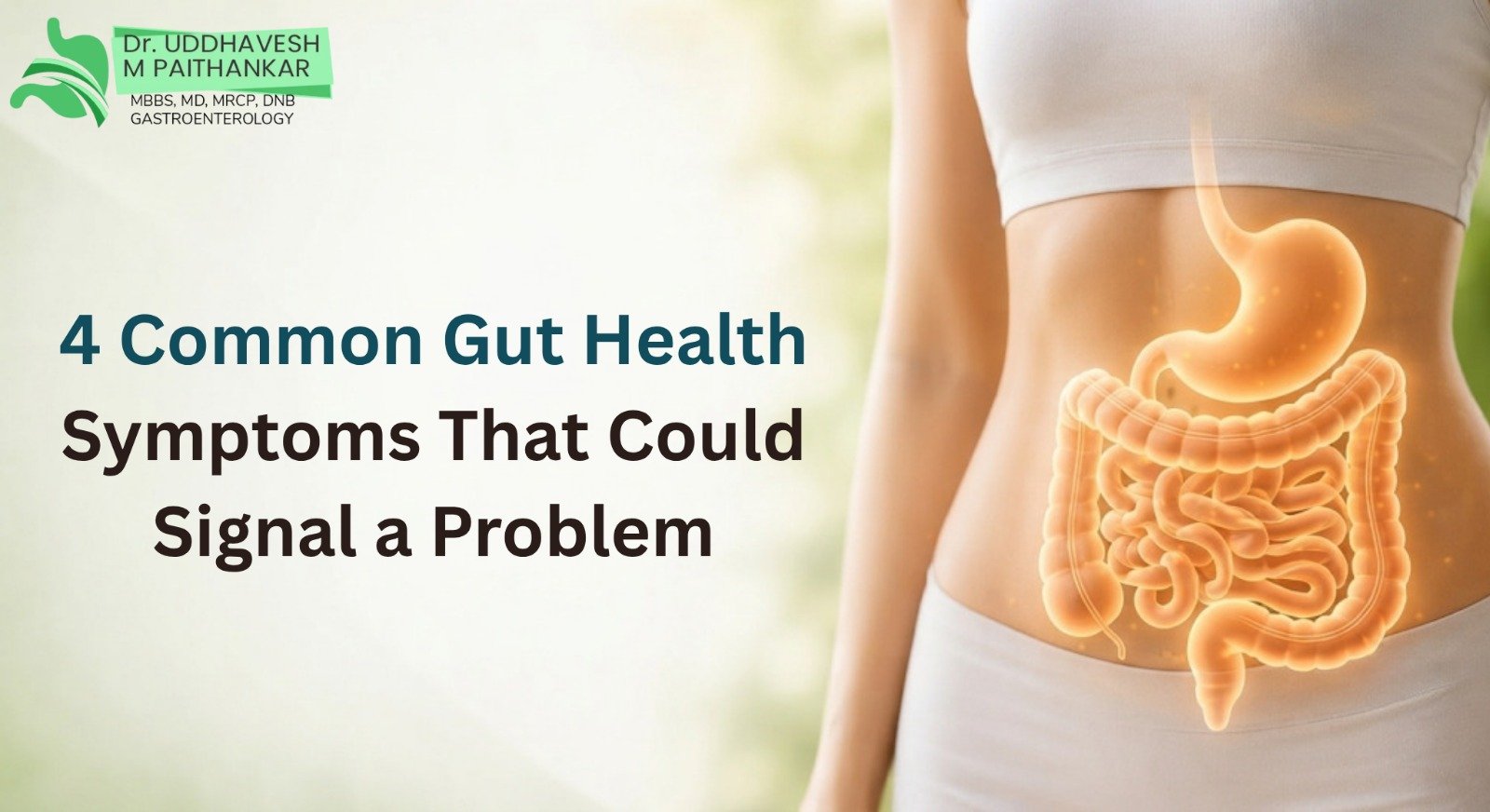
Here are four common gut health symptoms that you should not keep ignoring, especially if they keep coming back, get worse, or affect your everyday life.
1. Persistent Bloating
Bloating is one of the most common digestive complaints. You may feel unusually full, tight, swollen, or uncomfortable around your abdomen, even after eating a fairly small meal.
What is bloating?
Bloating is a feeling of fullness or pressure in the abdomen. Sometimes, it can also cause visible swelling.
Occasional bloating can happen after overeating, eating too quickly, eating certain foods, or drinking fizzy drinks. But frequent bloating deserves more attention.
Why does bloating happen?
Common causes can include:
- Eating quickly or swallowing too much air
- Gas made during digestion
- Constipation
- Food intolerances
- Irritable bowel syndrome (IBS)
- Changes in gut bacteria
- Certain gastrointestinal conditions
The important question is not simply, “Do I feel bloated?” It is how often it happens, how severe it is, and whether other symptoms appear along with it.
If bloating comes with weight loss, ongoing vomiting, blood in the stool, severe abdominal pain, or a major change in bowel habits, a gastroenterologist should evaluate it.
2. Ongoing Acidity, Heartburn or Acid Reflux
That burning feeling rising from your stomach toward your chest can be more than a simple annoyance.
What is acid reflux?
Acid reflux happens when stomach contents flow back into the food pipe, or oesophagus. This can cause heartburn, a sour taste, or food and liquid coming back into the mouth.
It can happen after a meal or when you lie down soon after eating. However, repeated acid reflux symptoms may point to gastroesophageal reflux disease, commonly called GERD.
Why does acid reflux happen?
Several factors can play a role, including:
- Late-night meals
- Being overweight
- Certain foods and drinks
- Smoking
- Pregnancy
- Some medicines
- A weak barrier between the stomach and oesophagus
A useful rule is not to keep taking over-the-counter remedies for a long time without finding out why your acid reflux is happening.
How can you reduce reflux symptoms?
Simple lifestyle changes may help:
- Eat smaller meals.
- Avoid lying down soon after eating.
- Notice which foods regularly trigger your symptoms.
- Maintain a healthy weight if advised by your healthcare professional.
- Avoid smoking.
- Follow your doctor’s treatment advice.
Frequent heartburn, trouble swallowing, weight loss, vomiting, or chest discomfort should not be ignored.
3. Constipation or a Major Change in Bowel Habits
Everyone’s bowel routine is different. Some people go more than once a day, while others go less often.
What matters is noticing a lasting change from your usual pattern.
What is constipation?
Constipation generally means having bowel movements less often than usual or feeling that your bowel has not fully emptied. Hard stools and too much straining are also common signs.
Common causes include low fibre intake, not drinking enough fluids, lack of movement, certain medicines, and changes in your daily routine. Sometimes, however, constipation can be linked to an underlying gastrointestinal or metabolic condition.
How can you support bowel movements?
Try building these habits into your routine:
- Drink enough fluids.
- Add fibre slowly through vegetables, fruits, whole grains, and other fibre-rich foods.
- Stay physically active.
- Do not repeatedly ignore the urge to use the toilet.
- Talk to your doctor if constipation started after taking a new medicine.
If constipation continues or comes with blood in the stool, weight loss, severe abdominal pain, vomiting, or a major change in bowel habits, medical evaluation is important.
4. Persistent Diarrhoea or Repeated Loose Motions
An upset stomach after eating questionable food may settle within a short time. Diarrhoea that keeps returning or lasts longer than expected can affect hydration, nutrition, and your quality of life.
What is diarrhoea?
Diarrhoea means passing watery or loose stools more often than is normal for you.
It can happen because of infections, food-related problems, medicines, food intolerances, IBS, inflammatory bowel conditions, and other causes.
Why should persistent diarrhoea not be ignored?
Repeated loose stools can lead to dehydration and loss of important salts called electrolytes. If the problem continues, a doctor may need to find out whether an infection, food intolerance, inflammation, medicine, or another gastrointestinal issue is causing it.
Seek medical attention promptly if diarrhoea is accompanied by blood, severe abdominal pain, high fever, marked weakness, dehydration, or other worrying symptoms.
When Should You See a Gastroenterologist?
A simple stomach problem often settles on its own. The bigger concern is when symptoms keep coming back, slowly get worse, or start getting in the way of your normal life.
Consider speaking with a gastroenterologist if you experience:
- Abdominal discomfort
- Recurrent bloating
- Frequent acidity or heartburn
- Ongoing constipation or diarrhoea
- Blood in your stool
- Unexplained weight loss
- Persistent nausea or vomiting
- Difficulty swallowing
- A sudden or lasting change in bowel habits
How does a gastroenterologist help?
A gastroenterologist looks for the cause of digestive symptoms and suggests the right tests or treatment based on your symptoms and medical history.
Depending on your situation, the assessment may include a medical history, physical examination, blood tests, stool tests, imaging, endoscopy, colonoscopy, or other tests.
The goal is not to order every possible test. It is to understand what your body may be telling you and check the problem in the right way.
Meet the Expert: Dr. Uddhavesh Paithankar
When digestive symptoms start affecting your daily life, having a specialist who listens carefully can make the process feel much easier.
Dr. Uddhavesh Paithankar, a gastroenterologist in Gurugram, provides specialist consultation for people with a wide range of gastrointestinal concerns.
A good consultation should focus on your symptoms, medical history, lifestyle, and personal concerns before deciding on tests or treatment.
Instead of treating every stomach problem in the same way, a personalised consultation can help identify patterns and decide when further testing may be needed.
The Fix: What Your Gastrointestinal Care May Look Like
There is no single treatment for all gut problems. Your care depends on your symptoms, how long you have had them, your medical history, and what the evaluation shows.
Step
What Usually Happens
- Consultation
Discuss symptoms, diet, lifestyle, medicines, and medical history.
- Clinical Assessment
Examination and evaluation of warning signs.
- Testing, if needed
Blood, stool, imaging, or endoscopic tests may be recommended.
- Diagnosis
Your doctor explains the cause or condition.
- Treatment Plan
Medicine, diet and lifestyle changes, procedures, or further specialist care may be advised.
- Follow-Up
Your symptoms and response to treatment are reviewed, and the plan is changed when needed.
Think of it like troubleshooting a car. You do not replace the engine just because a warning light comes on. First, you find out what is causing the problem.
Frequently Asked Questions About Gut Health
1. When should I see a gastroenterologist for bloating?
You should see a gastroenterologist when bloating is persistent, keeps coming back, is severe, or occurs with other worrying symptoms.
Occasional bloating after a large meal is common. Ongoing bloating may need a closer look.
2. Is acidity every day a problem?
Daily or frequent acidity should be medically checked rather than repeatedly treated on your own. Recurrent acid reflux may be linked to GERD or another condition, and the right treatment depends on the cause.
3. How do I know if my constipation is a problem?
Constipation is more concerning when it continues, is difficult to manage, is very different from your usual bowel pattern, or comes with warning signs.
Fibre, fluids, movement, and healthy toilet habits can help. Persistent symptoms may need professional assessment.
4. Can stress cause stomach and digestive problems?
Yes. Stress can affect your digestive system and may make problems such as abdominal discomfort, changes in bowel habits, or IBS symptoms worse.
Your gut and nervous system are closely connected, which is why stress can sometimes show up as physical stomach or digestive symptoms.
5. What symptoms mean I should seek medical attention?
Severe abdominal pain, significant bleeding, persistent vomiting, severe dehydration, or other rapidly worsening symptoms need prompt medical attention.
Do not wait for treatment if you feel seriously unwell.
6. Can changing my diet improve my gut health?
Yes. A balanced diet and healthy lifestyle can support gut health, but the right approach depends on the underlying problem.
Cutting out many foods without professional advice is not always needed. It may also make it harder to maintain a balanced diet.
Next Steps: Take Your Gut Health Seriously
If digestive symptoms have become a regular part of your life, you do not have to keep guessing what is causing them.
A specialist consultation can help you understand your symptoms, identify possible concerns, and decide whether further testing or treatment is needed.
Dr. Uddhavesh Paithankar | Gastroenterologist in Gurugram
Clinic Address:
Room No. 3 Manipal Hospitals Block F, Gol Chakkar, Choma, Block F, Carterpuri Village, Palam Vihar, Gurugram, Haryana 122017
Phone: 0124 618 5561


